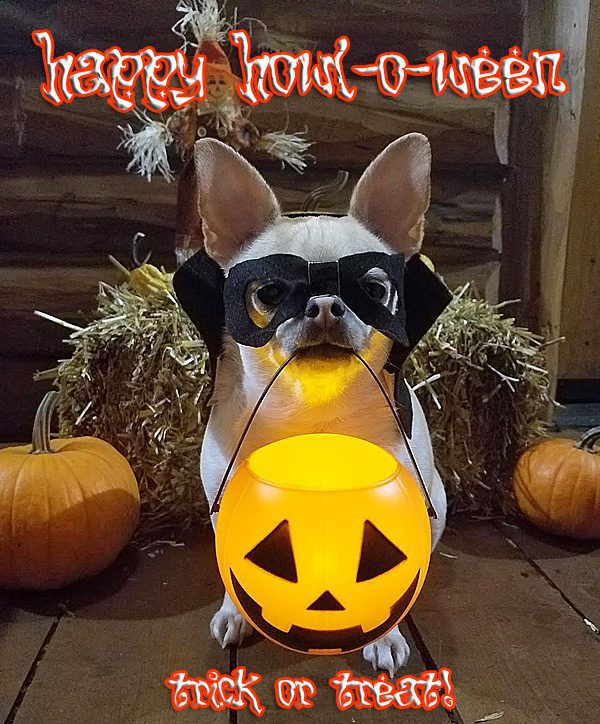
Treat this article like it’s a guide to the little harrumphs, snorts, and dramatic sighs of a very small dog with very big opinions.
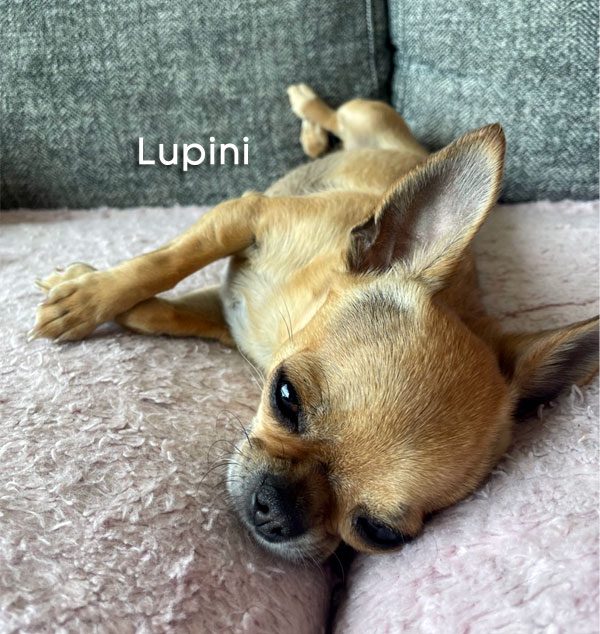
If you live with a chihuahua, you know the sound. That little harrumph when they flop onto the couch. The snort when you pick them up. The dramatic sigh when you ask them to move over – as if you have personally ruined their entire day.
Good news: grunting is basically a chihuahua’s native language. They are tiny dogs with enormous opinions, and grunting is how they express most of them.
The normal reasons – a simple list
- The classic flop-and-grunt. They have found the perfect spot, usually on you, and the grunt is their version of “ahh, finally.”
- Talking to you. Chihuahuas are famously chatty. Grunts, snorts, and grumbles are greetings, demands for attention, and running commentary on your choices.
- Playtime, walkies, the treat bag rustling – excitement makes them grunt, snort, and snuffle all at once.
- Getting comfy. Older chihuahuas especially grunt when they lie down or stand up, the same way a person says “oof” getting out of a low chair. It is effort, not illness.
- Move a chihuahua off their spot and you will hear about it. The grunt says: “I was sitting there. I had a system.”
- Sleep noises. Chihuahuas snore, snuffle, and grunt in their sleep, especially when dreaming. Tiny paws twitching, tiny grunts escaping – completely normal.
- The reverse sneeze. This one is famous in small breeds. It sounds like rapid snorting or grunting and looks alarming, but it is usually just irritation in the nose or throat – excitement, dust, a pulled leash, or a sudden change in temperature. It passes in under a minute and the dog carries on like nothing happened.
- Small airways. Chihuahuas have small windpipes and soft palates, so they make more noise than bigger dogs just existing. Snorts and grunts are part of the factory settings.
A quick rule of thumb: a grunt from a dog who is eating well, playing as usual, breathing easily, and being their normal dramatic self is almost always just conversation. It is the company a grunt keeps that matters.
When to actually call the vet
Grunting is normal – until it is not. Book a vet visit if you notice any of these:
- Grunting paired with coughing, wheezing, or trouble breathing
- Blue or pale gums, fainting, or collapsing
- A sudden change – a dog who never grunted suddenly grunting a lot
- Reverse-sneeze episodes that last more than a minute or two, or happen constantly
- Grunting along with signs of pain: yelping, limping, hiding, not eating, or refusing to move
- Nasal discharge, sneezing blood, or swelling around the face
- A honking cough – this can signal tracheal collapse, which small breeds are prone to
- Lethargy, loss of appetite, or any grunt that just feels different from their usual noises
The bottom line
A grunting chihuahua is usually just a chihuahua being a chihuahua – dramatic, vocal, and deeply committed to comfort. Learn your dog’s normal soundtrack, and you will know instantly when something is off-key.
Lupini’s grunts are just her way of narrating her very busy, very important life – and honestly, she is not wrong to have opinions.
Written By Nadia Alterio, Smart Woman Coaching and FamousChihuahua.com - founder of International Chihuahua Appreciation Day (May 14). This article is general information, not veterinary advice; if you are worried about your dog, your vet is always the right call.