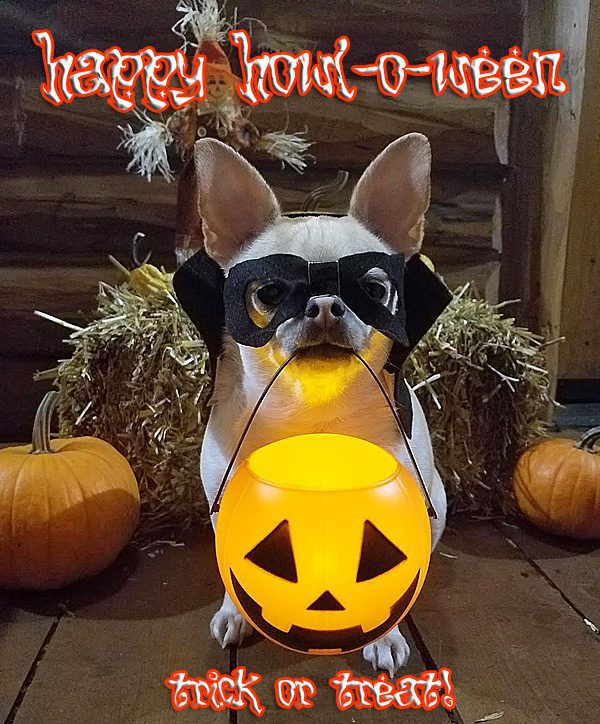
It usually happens like this. The doorbell rings, and before you have even stood up, your chihuahua is already on full alert — barking like the house is under siege, racing to the window, announcing to the entire street that SOMEONE IS HERE. The delivery driver has not even knocked yet.
Here is the reassurance up front: most of the time, nothing is wrong. A barking chihuahua is not rude, badly behaved, or broken. They are doing their job — loudly, and with great commitment.
Think of it this way: a chihuahua is the smallest dog in the world, with ears that hear everything, living in a world full of doorbells, strangers, and deeply suspicious squirrels. Barking is their alarm system, not bad attitude. And once you learn to read the alarm, the noise starts to make sense.

The Warning Bark
This is the classic, and the one most chihuahuas take most seriously. Doorbell. Knock at the door. Footsteps on the porch. A stranger approaching the house. Chihuahuas are alert by nature, and in their minds, announcing every arrival is the job they were hired for. They do not know they weigh three pounds. In their heads, they are the entire security team, and they take the role very seriously indeed. The funny part is that the warning bark usually fades once you have gone to the door and acknowledged the “intruder” — which is your first clue that this was never about aggression. It was a report.
The Fear Bark
Sometimes the bark is not confidence at all — it is a bluff. The world is a big and startling place when you weigh three pounds, and a frightened chihuahua barks to sound bigger than she feels. Strangers reaching out to pet her, large dogs, the vacuum cleaner, a man in a hat: all perfectly good reasons, in her mind, to raise the alarm. Watch the body language and the story becomes clear. Ears back, tail tucked, barking while backing away — that is a dog saying “stay back,” not a dog looking for trouble. The kindest response is not to force the greeting, but to let her retreat. A dog who can move away rarely needs to shout.
The Excitement Bark
Then there is the bark that means the exact opposite. Hellos. The leash coming off its hook. Walkies. A favorite person coming home. The treat bag rustling in the kitchen. This bark is high-pitched and wiggly, usually accompanied by spinning, bouncing, and a tail going at full speed. Same volume as the fear bark, completely different message. This is joy with the volume turned all the way up, and it is one of the easiest barks to read — if the whole dog is wiggling, the news is good.
The Boredom Bark
If the barking starts when nothing is happening, ask a different question: what did today actually contain? A chihuahua left alone for hours, with the same window, the same garden, and nothing to do, will eventually invent their own entertainment — and barking is readily available. Boredom barking is often rhythmic and persistent rather than frantic, and it tends to happen at the same times of day. The fix is rarely about the barking itself. More sniffy walks, puzzle feeders, short training games, a chew that takes actual effort — a chihuahua with a full day is a noticeably quieter chihuahua.
The “Nothing There” Bark
Every chihuahua person knows this one: barking hard at an apparently empty garden, an empty hallway, or a completely innocent patch of air. The joke is that she is barking at nothing. The truth is usually that she is barking at something you cannot hear. A chihuahua’s hearing is far sharper than yours — the neighbors cat three gardens over, a siren blocks away, a delivery van idling around the corner. To your chihuahua, the alarm is entirely real, and they are quite sure you would want to know. They almost certainly are not seeing ghosts. Probably.
The Habit Bark
And then there is the bark with a business plan. Chihuahuas are smart, and they learn very quickly what works. Bark, and the door opens. Bark, and a treat appears. Bark, and you get picked up. If barking reliably produces the good thing, barking becomes the strategy — and this is the one humans most often teach by accident, usually while trying to be kind. The way out is not scolding, which just adds noise to noise. It is rewarding the quiet instead: treat the pause, open the door for the calm, pick them up when all four paws are on the floor. Dogs repeat whatever pays.
When the Alarm Changes: Check With a Vet or Trainer
Most barking is conversation. But sometimes the alarm changes, and that is when you stop translating and start checking.
- Barking that starts suddenly, for no clear reason, and does not stop
- Barking paired with signs of pain, such as limping, yelping, hiding, or loss of appetite
- Distress when left alone: barking for hours, destructive behavior, or toileting indoors
- Barking that escalates into lunging, snapping, or biting
- Barking you cannot interrupt, or a dog that seems stuck in the bark
- An older dog that starts barking at night, staring at walls, or seeming confused
Pain, anxiety, and the confusion that can come with old age can all turn the volume up, and a vet or a qualified trainer can help you work out which one you are hearing.
What to Do in the Moment
For the everyday barks, the response is refreshingly simple, and it starts with you. Stay calm. Shouting at a barking dog sounds, to the dog, like you have joined in — which is the opposite of helpful. Acknowledge the alert, then redirect it: a toy, a “quiet” cue rewarded the very second she pauses, a treat for four paws on the floor. And manage the triggers where you can: window film turns the street from a television channel into a frosted mystery, background noise covers the sounds from outside, and a covered resting spot gives an on-duty alarm dog somewhere to clock off.
What not to do matters too. Do not punish fear barking — scolding a frightened dog only confirms that the world is, in fact, scary. And skip punishment gadgets as a first resort; for barking that will not shift, a qualified trainer is a better investment than anything that beeps, vibrates, or sprays.
The Bark Is Part of the Charm
Here is the truth that every chihuahua person eventually learns: the bark is not a flaw in the breed. It is the world’s smallest security system, wired into a dog who loves their people and takes the job extremely seriously.
So the next time your chihuahua barks, take a breath before you shush them. Ask what the alarm is saying. Most of the time, the answer is simple: “Something happened! I noticed! I love you! Also — was that the treat bag?”
Note: This is general information only, not veterinary or behavioral advice. If you are worried about your dog’s barking, or if anything on the checklist sounds familiar, talk to your vet or a qualified trainer.